COPD Treatment: Symptoms, Causes, Diagnosis & Effective Management
COPD Treatment in Gurgaon focuses on controlling symptoms, improving breathing, reducing flare-ups, and helping patients maintain a better quality of life. Chronic Obstructive Pulmonary Disease (COPD) is a long-term lung condition that can make breathing difficult. Under the guidance of Dr. Bharat Gopal, timely diagnosis, appropriate treatment, lifestyle changes, and regular follow-up can help patients manage COPD effectively.
For fast information, chat directly with us on WhatsApp.
What Is COPD?
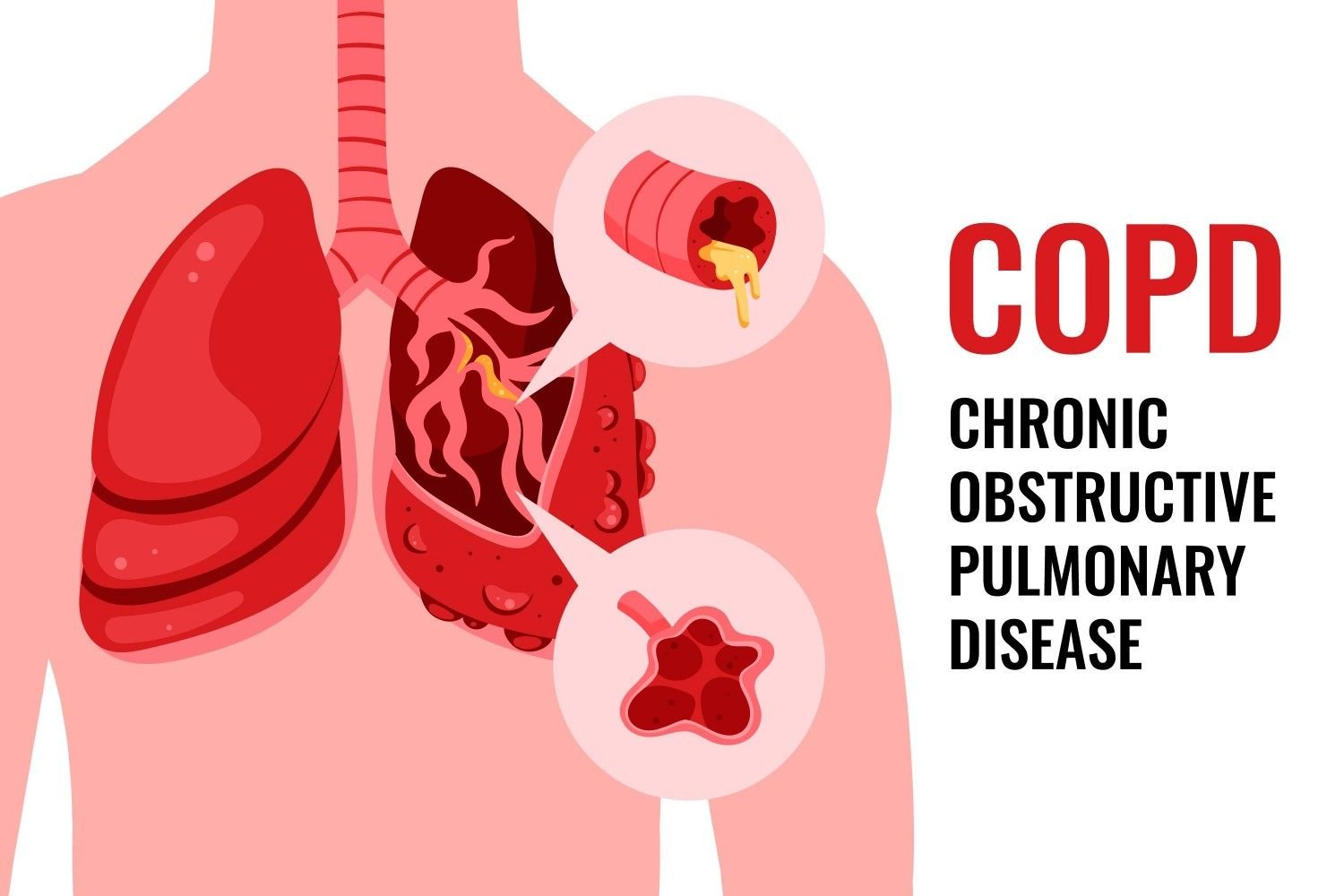
COPD is a chronic respiratory disease that causes persistent airflow limitation. It commonly includes conditions such as chronic bronchitis and emphysema. Symptoms may develop gradually, so some people may not seek medical attention until their breathing problems become more noticeable.
Common symptoms include persistent cough, mucus production, wheezing, shortness of breath, chest tightness, and tiredness. Symptoms may become worse during flare-ups, particularly when a person develops a respiratory infection.
Common Causes and Risk Factors of COPD
Smoking is one of the most important risk factors for COPD. However, people who have never smoked can also develop the condition. Long-term exposure to second-hand smoke, air pollution, workplace dust, chemical fumes, and biomass fuel smoke may increase the risk.
Age, recurrent respiratory infections, and certain genetic factors can also contribute. Identifying these risk factors is an important part of planning COPD Treatment in Gurgaon and preventing further lung damage.
Symptoms That Should Not Be Ignored
COPD symptoms can vary from person to person. Early signs may include a long-lasting cough, frequent mucus production, or breathlessness during physical activity.
As the condition progresses, breathing difficulties may occur during routine activities. Wheezing, fatigue, reduced exercise tolerance, and frequent chest infections can also occur.
If breathing symptoms persist or gradually worsen, a respiratory specialist such as Dr. Bharat Gopal can assess the cause and recommend appropriate evaluation. Early consultation can help determine the most suitable treatment approach.
How Is COPD Diagnosed?
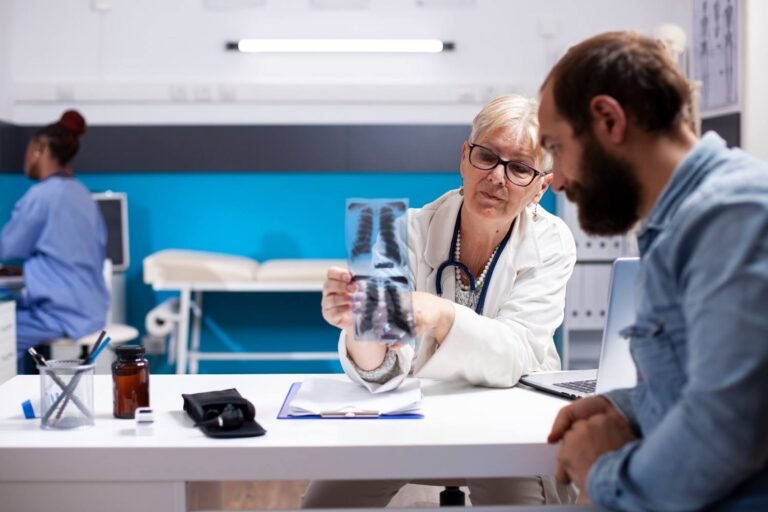
A detailed medical history and physical examination are important first steps. Your doctor may ask about smoking, occupational exposure, symptoms, previous respiratory problems, and the frequency of flare-ups.
Spirometry is commonly used to assess airflow and help confirm COPD. Depending on the symptoms, additional tests such as chest imaging, oxygen level assessment, or blood tests may be recommended.
Accurate diagnosis helps distinguish COPD from other conditions that can cause cough or breathlessness. It also allows COPD Treatment in Gurgaon to be tailored according to individual symptoms and disease severity.
COPD Treatment Options in Gurgaon
The main goal of COPD Treatment in Gurgaon is to control symptoms, improve daily functioning, reduce exacerbations, and support long-term lung health.
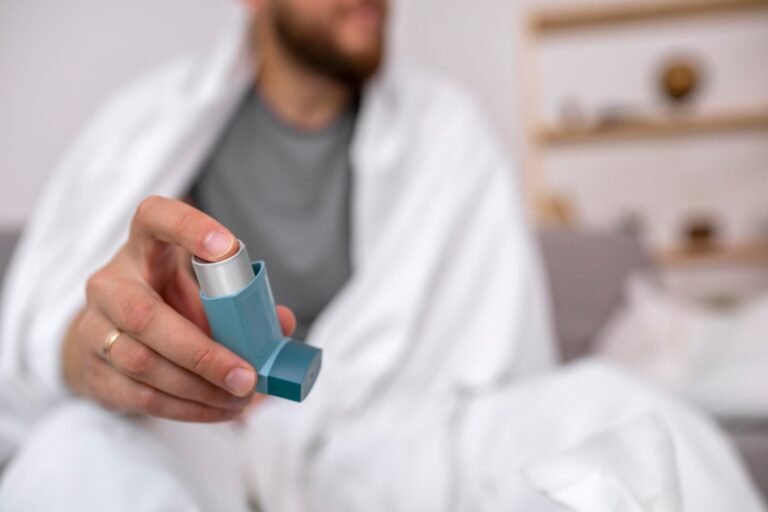
Treatment may include inhaled medicines that help relax the airways and improve airflow. Some patients may require more than one inhaled medication depending on their symptoms and risk of exacerbations.
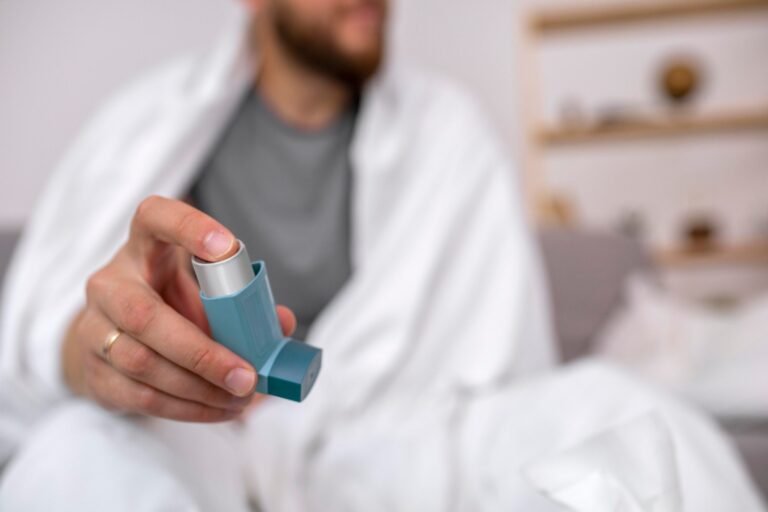
Inhaler technique is also important. Using an inhaler incorrectly can reduce the amount of medicine reaching the lungs. Patients should therefore learn the correct technique and have it checked during follow-up visits.
For selected patients, pulmonary rehabilitation may be recommended. It can combine physical activity, breathing techniques, education, and strategies to improve exercise tolerance.
During severe flare-ups, additional treatment may be required. In some cases, oxygen therapy may be considered when blood oxygen levels remain low.
Lifestyle Changes for Better COPD Management
Medical treatment works best when combined with healthy daily habits. Quitting smoking is one of the most important steps for people who smoke. Avoiding second-hand smoke, dust, fumes, and other respiratory irritants can also help.
Regular physical activity, when appropriate for the individual’s condition, can support overall fitness. Patients should also follow their prescribed treatment plan and attend regular medical appointments.
Vaccination and timely treatment of respiratory infections may help reduce the risk of complications. These measures can complement COPD Treatment in Gurgaon and support better long-term respiratory health.
When Should You See a Respiratory Specialist?
Persistent cough, unexplained breathlessness, frequent chest infections, wheezing, or reduced exercise tolerance should not be ignored. Early medical assessment can help identify COPD and other respiratory conditions before symptoms become more difficult to manage.
People with diagnosed COPD should also seek medical advice if symptoms suddenly worsen, breathing becomes significantly more difficult, or there is a noticeable change in cough or mucus. Timely evaluation can help determine whether adjustments to COPD Treatment in Gurgaon are required.
Conclusion
Effective COPD Treatment in Gurgaon involves more than managing occasional breathing problems. Early diagnosis, appropriate medicines, correct inhaler use, pulmonary rehabilitation when indicated, lifestyle changes, and regular follow-up can help control symptoms and reduce the risk of exacerbations.
Dr. Bharat Gopal can evaluate persistent respiratory symptoms and help develop an appropriate management approach based on the patient’s condition. If you experience persistent cough, breathlessness, wheezing, or recurring respiratory problems, seek professional medical evaluation for timely diagnosis and personalized care.
FAQs
1. Can COPD be cured completely?
COPD is a chronic condition and currently does not have a complete cure. However, appropriate treatment and lifestyle changes can help control symptoms and slow disease progression.
2. Is smoking the only cause of COPD?
No. Although smoking is a major risk factor, long-term exposure to air pollution, workplace dust and chemicals, biomass smoke, and certain genetic factors can also contribute.
3. What test is commonly used to diagnose COPD?
Spirometry is a commonly used lung function test for diagnosing COPD. Your doctor may recommend additional tests depending on your symptoms.
4. Can exercise help people with COPD?
Appropriate physical activity and pulmonary rehabilitation may improve exercise tolerance and overall functional capacity. The exercise plan should be based on individual health status.
5. When should someone with COPD seek urgent medical care?
Severe or rapidly worsening breathlessness, difficulty speaking because of breathlessness, bluish lips or face, confusion, or other serious symptoms require prompt medical attention.
For more details or to book an appointment, visit their official website: https://delhichestspecialist.com/.