When Is Bronchoscopy Needed? Understanding the Procedure, Benefits, and Recovery
Author: Dr. Bharat Gopal
Bronchoscopy is an important diagnostic procedure used to examine the airways and investigate various lung conditions. Consulting a Bronchoscopy Specialist in Gurugram can help patients understand whether this procedure is necessary for persistent respiratory symptoms or abnormal chest imaging results. It allows a doctor to examine the breathing passages directly and collect samples when required. Early evaluation can help identify the cause of symptoms and guide appropriate treatment.
What Is Bronchoscopy and How Does It Work?
Bronchoscopy is a medical procedure that allows a specialist to examine the windpipe and airways using a thin instrument called a bronchoscope. It usually has a light and camera that transmit images to a monitor.
In most cases, doctors use a flexible bronchoscope. It passes through the nose or mouth into the airways. Depending on the patient’s condition, the doctor may also collect mucus, fluid, or small tissue samples for laboratory testing.
A Bronchoscopy Specialist in Gurugram evaluates the patient’s symptoms, medical history, and imaging reports before recommending this investigation. The procedure may help diagnose certain lung diseases, infections, airway blockages, and suspected abnormalities.
For fast information, chat directly with us on WhatsApp.
When Is Bronchoscopy Needed?
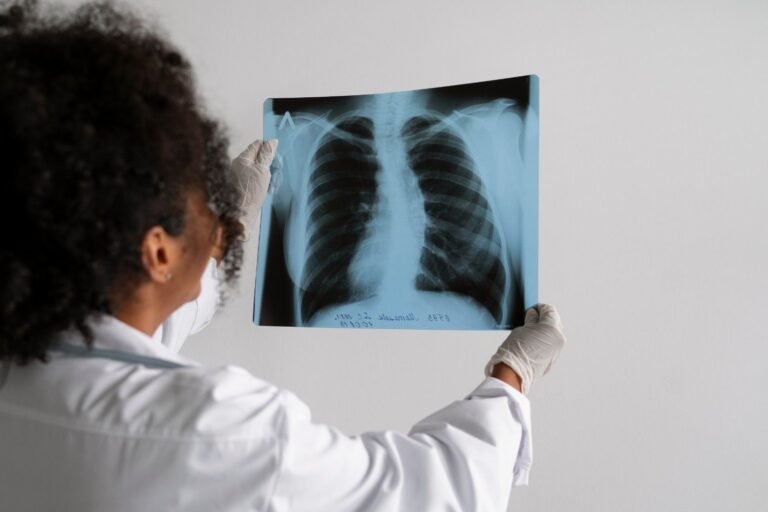
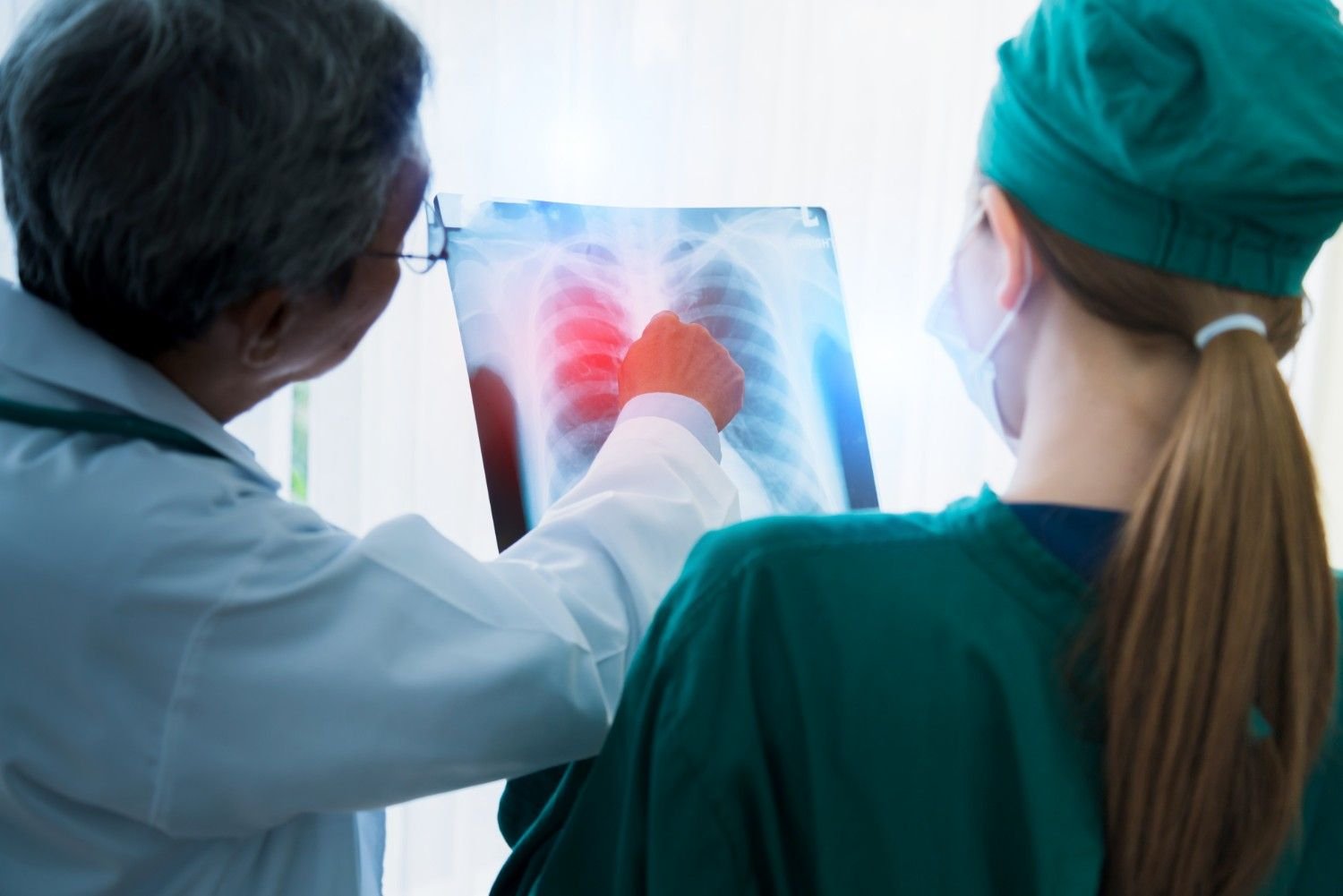
A doctor may recommend bronchoscopy when other investigations do not provide enough information to explain a patient’s symptoms. It can also help investigate specific abnormalities detected on a chest X-ray or CT scan.
Common reasons for considering bronchoscopy include:
- Persistent cough: A long-lasting cough without a clear cause may require further investigation.
- Coughing up blood: Bronchoscopy can help identify the source of bleeding in the airways.
- Suspected lung infection: Samples may help identify certain infections when routine tests are inconclusive.
- Abnormal chest imaging: Unusual findings on an X-ray or CT scan may require direct examination or tissue sampling.
- Suspected lung cancer: The procedure can help obtain samples from selected airway abnormalities for diagnosis.
- Airway obstruction: It may help identify mucus plugs, foreign objects or narrowing of the breathing passages.
A Bronchoscopy Specialist in Gurugram determines whether the potential benefits outweigh the risks for each patient. Not everyone with a cough or breathing difficulty needs this procedure.
What Happens During a Bronchoscopy Procedure?
Before the procedure, the medical team reviews the patient’s medical history, current medications, allergies, and relevant test reports. Patients receive specific instructions about fasting and medication adjustments. Blood-thinning medicines should never be stopped without medical advice.
During bronchoscopy, a local anaesthetic may be used to numb the throat or nasal passage. Sedation may also be provided to improve comfort, depending on the procedure and the patient’s condition.
The specialist carefully guides the bronchoscope into the airways. If necessary, small samples of tissue or respiratory secretions are collected for further examination.
The procedure commonly takes around 30 to 90 minutes, although the duration varies according to its purpose and complexity. Patients are monitored afterwards until they are sufficiently recovered.
Benefits of Consulting a Bronchoscopy Specialist in Gurugram
Choosing an experienced specialist helps ensure that the need for bronchoscopy is assessed carefully. The procedure provides direct visual information that may not be available through routine examinations alone.
Its potential benefits include:
- Identifying the cause of selected respiratory symptoms.
- Collecting samples for laboratory analysis.
- Investigating suspicious findings on chest imaging.
- Detecting certain airway abnormalities.
- Helping doctors plan further investigations or treatment.
A Bronchoscopy Specialist in Gurugram can explain the procedure, discuss alternative investigations, and clarify what the results may mean. Bronchoscopy does not guarantee a diagnosis in every case, and additional tests may sometimes be necessary.
Recovery After Bronchoscopy: What Should Patients Expect?
Most patients are monitored in a recovery area after the procedure. A mild sore throat, hoarseness, or temporary cough may occur. Small streaks of blood in the sputum can sometimes appear after a biopsy.
Patients should avoid eating or drinking until the throat’s protective sensation has returned, following the medical team’s instructions. If sedation has been used, they should arrange for someone to take them home and follow advice about driving, work and other activities.
Seek urgent medical attention for severe breathing difficulty, significant or increasing coughing up of blood, or severe chest pain. Persistent fever or worsening respiratory symptoms also require prompt medical assessment.
Recovery varies depending on the procedure performed and the patient’s underlying health. Follow-up is important because biopsy and laboratory results may take several days or longer.
Why Timely Lung Evaluation Matters
Persistent respiratory symptoms should not be ignored, particularly when accompanied by coughing up blood, unexplained breathlessness or abnormal chest imaging. A detailed clinical assessment helps determine the most appropriate next step.
Dr. Bharat Gopal provides respiratory evaluation and bronchoscopy-related care. Patients seeking a Bronchoscopy Specialist in Gurugram can discuss their symptoms, previous investigations, and suitable diagnostic options with a qualified specialist. The decision to proceed with bronchoscopy should always be based on individual medical needs.
Conclusion
Bronchoscopy can play an important role in diagnosing selected lung and airway conditions. It helps doctors examine the breathing passages directly and collect samples when necessary. Understanding when the procedure is needed, how it is performed and what recovery involves can help patients make informed decisions. Consulting a Bronchoscopy Specialist in Gurugram supports appropriate evaluation and personalised care based on symptoms and clinical findings.
Frequently Asked Questions
1. Is bronchoscopy a painful procedure?
Bronchoscopy is generally performed with local anaesthesia and, when appropriate, sedation to improve comfort. Some patients experience temporary coughing or throat discomfort.
2. How long does recovery take after bronchoscopy?
Many patients return to their usual activities the following day, but recovery depends on sedation, whether a biopsy was taken and individual medical factors. Follow your doctor’s instructions.
3. Is bronchoscopy used to diagnose lung cancer?
Yes. Bronchoscopy may help doctors examine suspicious airway abnormalities and collect tissue samples. The diagnosis depends on the findings and laboratory results.
4. Is bronchoscopy safe for every patient?
Bronchoscopy is generally considered safe when appropriately indicated, but it carries potential risks, including bleeding, reduced oxygen levels, and, rarely, a collapsed lung. A specialist assesses individual risks before recommending it.
For more details or to book an appointment, visit their official website: https://delhichestspecialist.com/.