What tests are done by Dr. Bharat Gopal to diagnose sleep-disordered breathing?
Sleep is not a luxury—it is a basic necessity for good health. When breathing becomes irregular during sleep, it can affect the brain, heart, mood, and daily performance. If you are looking for expert care and the Best Sleep-Disordered Breathing Treatment in South Extension, consulting Dr. Bharat Gopal can be a life-changing step. With years of clinical experience in pulmonology and sleep medicine, he uses advanced diagnostic tests to understand why sleep is disturbed and how breathing patterns are affected during the night.
For fast information, direct chat with us on WhatsApp.
Understanding sleep-disordered breathing
Sleep-disordered breathing includes conditions where airflow is reduced or repeatedly stops during sleep. The most common among them is obstructive sleep apnea, but snoring, central sleep apnea, and nocturnal hypoventilation are also part of the same spectrum. People often notice:
- Loud habitual snoring
- Repeated breathing pauses
- Unrefreshing sleep
- Morning headaches
- Daytime sleepiness or fatigue
- Reduced concentration and irritability
Ignoring these symptoms can increase the risk of hypertension, diabetes, heart disease, and stroke. That is why timely evaluation with the Best Sleep-Disordered Breathing Treatment in South Extension becomes essential rather than optional.
Why proper diagnosis matters
Every patient is different. Some people snore but do not have apnea; others may stop breathing dozens of times per hour without loud snoring. Therefore, Dr. Bharat Gopal focuses on scientific, evidence-based testing instead of guesswork. Accurate diagnosis helps in:
- Choosing the right treatment
- Preventing long-term complications
- Monitoring disease severity
- Improving quality of life and productivity
A careful medical history, physical examination, and sleep-specific tests together paint the complete picture.
Key diagnostic tests used by Dr. Bharat Gopal
- Overnight Polysomnography (Sleep Study)
Polysomnography is the gold-standard test to diagnose sleep-disordered breathing. It is usually performed overnight in a controlled sleep lab. During the test, sensors monitor:
- Brain waves (EEG)
- Eye movements
- Muscle activity
- Heart rate
- Blood oxygen level
- Airflow and respiratory effort
This test shows how many times breathing stops or reduces, known as the apnea-hypopnea index (AHI). Based on your results, Dr. Bharat Gopal plans the Best Sleep-Disordered Breathing Treatment in South Extension tailored to disease severity—mild, moderate, or severe.
- Home Sleep Apnea Testing (HSAT)
Some patients prefer diagnostic testing in the comfort of their own home. For suitable cases, Dr. Bharat Gopal may recommend home sleep apnea testing. Portable devices record airflow, oxygen levels, snoring, and chest movements while you sleep. This option is:
- Convenient
- Comfortable
- Cost-effective
However, it is not right for everyone—especially people with heart disease, lung disease, or other complex disorders. After assessment, he decides whether HSAT or in-lab polysomnography will serve you best.
- Pulse Oximetry
Pulse oximetry is a simple, non-invasive test that measures oxygen saturation during sleep. A small clip is placed on the finger to track drops in oxygen levels overnight. Frequent desaturations may indicate sleep apnea or hypoventilation. Although not a standalone diagnostic test, it is an important screening and monitoring tool used alongside other evaluations.
- Pulmonary Function Tests (PFTs)
Since breathing during sleep is closely linked to lung function, pulmonary function tests help assess how well your lungs are working. These tests measure:
- Lung volumes
- Airflow obstruction
- Gas exchange capacity
They are especially important when sleep-disordered breathing is associated with asthma, COPD, obesity hypoventilation, or restrictive lung disease. With such comprehensive testing, Dr. Bharat Gopal ensures that the Best Sleep-Disordered Breathing Treatment in South Extension is not only effective but also safe.
- Cephalometry and Airway Imaging
Structural narrowing of the upper airway is a key contributor to obstructive sleep apnea. To understand airway anatomy, imaging studies like cephalometry, CT scans, or MRI may be advised. These help identify:
- Enlarged tonsils
- Deviated nasal septum
- Jaw or facial structural issues
- Airway collapse sites
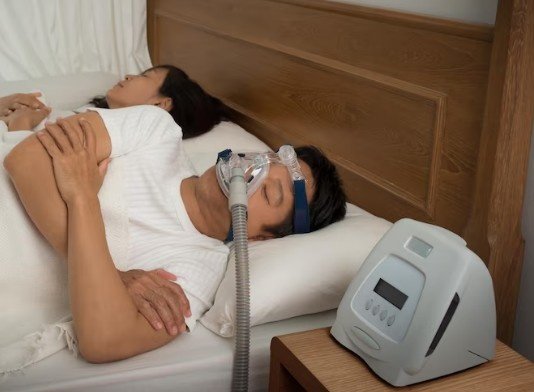
Such findings guide decisions regarding therapies like CPAP, oral appliances, weight management, or surgical referral when needed.
- Echocardiography (when indicated)
Sleep-disordered breathing puts strain on the heart. In patients with suspected pulmonary hypertension, heart failure, or longstanding untreated apnea, echocardiography may be recommended. This test evaluates:
- Heart chamber size
- Pumping efficiency
- Pulmonary artery pressures
This broader perspective ensures holistic care, not just symptom control.
How Dr. Bharat Gopal personalizes your treatment journey
Diagnosis is only the first step. What sets apart the Best Sleep-Disordered Breathing Treatment in South Extension is a personalized, compassionate approach. Dr. Bharat Gopal focuses on:
- Understanding lifestyle and work schedule
- Identifying realistic long-term solutions
- Explaining results in simple language
- Supporting adherence to therapy
Treatment options may include CPAP therapy, lifestyle modification, weight management, oral appliances, positional therapy, or referral for surgical evaluation—depending on diagnostic findings.
A human-centered approach to better sleep
Sleep problems often affect emotions, relationships, and professional life. Many patients feel embarrassed about snoring or anxious about machine-based treatment. Dr. Bharat Gopal’s approach is empathetic and reassuring. The goal is not just to “treat a disease” but to help you rediscover restful sleep, sharper focus, and renewed energy.
By combining advanced diagnostic tools with genuine patient understanding, he delivers the Best Sleep-Disordered Breathing Treatment in South Extension that is both clinically strong and deeply human.
When should you seek help?
If you or your loved ones notice loud snoring, pauses in breathing, excessive daytime sleepiness, choking awakenings, or difficulty concentrating, do not ignore the symptoms. Early evaluation prevents complications and transforms everyday life. Reaching out for expert assessment ensures you receive the Best Sleep-Disordered Breathing Treatment in South Extension under the guidance of Dr. Bharat Gopal.
Final thoughts
Tests for sleep-disordered breathing are not scary—they are your pathway to answers. Through polysomnography, home sleep testing, oximetry, lung function assessment, and targeted imaging, Dr. Bharat Gopal identifies the exact nature of the problem and designs the most suitable treatment plan. With the Best Sleep-Disordered Breathing Treatment in South Extension, restful nights and energetic days become achievable goals, not distant dreams.
If restoring healthy sleep is your priority, professional evaluation is the right next step—and your journey can begin with Dr. Bharat Gopal.
For more details or to book an appointment, visit their official website: https://delhichestspecialist.com/.