
Why Is Lung Health Important for Overall Well-Being?
Introduction
Healthy lungs are essential for maintaining overall well-being. They supply oxygen to the body and remove carbon dioxide, allowing important organs to function properly. However, factors such as air pollution, smoking, infections, and lifestyle habits can affect respiratory health. Consulting a Pulmonology Specialist in Gurgaon can help identify lung-related problems early and support better breathing.
Many people ignore symptoms such as persistent coughing, breathlessness, wheezing, or chest tightness. These signs may indicate an underlying respiratory condition that requires medical attention. Maintaining good lung health is not only important for breathing comfortably but also for supporting physical activity, energy levels, and daily life.
Dr. Bharat Gopal emphasises the importance of understanding respiratory symptoms and seeking timely medical evaluation. Let’s explore why lung health matters and how you can protect your respiratory system.
For fast information, chat directly with us on WhatsApp.
Why Is Lung Health Important for Overall Well-Being?
The lungs perform several essential functions that support the body’s daily activities. Every breath allows oxygen to enter the bloodstream. This oxygen is then transported to different organs and tissues.
Healthy lungs help with:
- Oxygen Supply: They provide oxygen needed by the brain, heart, and other organs.
- Energy Production: Adequate oxygen supports the body’s energy-producing processes.
- Physical Activity: Good lung function helps people walk, exercise, and perform daily activities.
- Waste Removal: The lungs remove carbon dioxide from the body during exhalation.
- Overall Health: Proper respiratory function supports normal body processes.
When lung function becomes impaired, people may experience fatigue, reduced exercise capacity, and difficulty breathing.
A consultation with a Pulmonology Specialist in Gurgaon can help assess respiratory symptoms and identify possible causes.
What Are the Common Factors That Affect Lung Health?
Several environmental and lifestyle factors can affect the lungs. Understanding these risks can help people take preventive steps.
1. Air Pollution
Air pollution is a major concern for respiratory health, especially in urban areas.
Dust, smoke, vehicle emissions, and industrial pollutants can irritate the airways. Long-term exposure may increase the risk of respiratory conditions.
People with asthma, COPD, or other existing lung problems may experience worsening symptoms during periods of poor air quality.
To reduce exposure:
- Check local air quality levels.
- Avoid outdoor exercise during high pollution periods.
- Wear a suitable protective mask when necessary.
- Keep indoor spaces clean and well ventilated.
2. Smoking and Tobacco Exposure
Smoking is one of the major risk factors for lung disease. Cigarette smoke contains harmful chemicals that damage lung tissues and irritate the airways.
Long-term smoking increases the risk of chronic obstructive pulmonary disease (COPD) and lung cancer.
Second-hand smoke can also affect people who do not smoke.
Quitting smoking is an important step towards protecting lung health. People who need support can discuss suitable cessation options with a healthcare professional.
3. Respiratory Infections
Respiratory infections can affect different parts of the breathing system.
Common infections include:
- Common cold.
- Influenza.
- Bronchitis.
- Pneumonia.
- Tuberculosis.
Some infections cause temporary symptoms, while others may lead to serious complications. Persistent fever, cough, chest discomfort, or breathing difficulty should not be ignored.
A Pulmonology Specialist in Gurgaon can evaluate ongoing respiratory symptoms and recommend appropriate investigations or treatment.
4. Occupational Exposure
Certain workplaces expose people to dust, chemicals, fumes, and other airborne particles.
Construction workers, factory employees, and people working in industries with chemical exposure may face a higher risk of occupational lung conditions.
Using appropriate protective equipment and following workplace safety measures can help reduce these risks.
What Are the Warning Signs of Poor Lung Health?
Respiratory problems do not always develop suddenly. In many cases, symptoms appear gradually and become more noticeable over time.
Some common warning signs include:
Persistent Cough
A cough that continues for several weeks may indicate an underlying respiratory problem. It can be associated with asthma, infections, COPD, or other lung conditions.
Shortness of Breath
Feeling breathless while walking, climbing stairs, or performing routine activities may indicate reduced lung function.
Sudden or severe breathlessness requires urgent medical attention.
Wheezing
Wheezing is a whistling sound that occurs during breathing. It may develop when the airways become narrow or inflamed.
It is commonly associated with asthma and certain other respiratory conditions.
Chest Tightness
A feeling of pressure or tightness in the chest can occur with different respiratory conditions. It should be evaluated, particularly when accompanied by breathing difficulties.
Frequent Respiratory Infections
Repeated chest infections may indicate an underlying lung condition or another health issue that needs assessment.
If these symptoms continue or become worse, consult a Pulmonology Specialist in Gurgaon for proper evaluation.
Which Conditions Are Treated by a Pulmonology Specialist?
A pulmonology specialist focuses on diagnosing and managing diseases affecting the lungs and respiratory system.
Some common conditions include:
1. Asthma: A chronic condition that causes inflammation and narrowing of the airways. Symptoms may include wheezing, coughing, and breathlessness.
2. Chronic Obstructive Pulmonary Disease (COPD): A progressive lung condition that makes breathing difficult. Smoking is a major risk factor.
3. Pneumonia: An infection that causes inflammation in the air sacs of the lungs. It may lead to fever, cough, chest discomfort, and breathing difficulties.
4. Tuberculosis (TB): A bacterial infection that commonly affects the lungs. Symptoms may include prolonged cough, fever, night sweats, and unexplained weight loss.
5. Interstitial Lung Disease: A group of conditions that cause inflammation or scarring of lung tissue, making breathing difficult.
6. Sleep-Related Breathing Disorders: Conditions such as obstructive sleep apnoea can interrupt normal breathing during sleep and affect overall health.
Early diagnosis and appropriate treatment can help manage these conditions and reduce the risk of complications.
How Can You Maintain Healthy Lungs?
Healthy lifestyle habits can support better respiratory function. Although they cannot prevent every lung disease, they may reduce certain health risks.
Stay Physically Active
Regular physical activity supports cardiovascular fitness and helps improve exercise tolerance.
Walking, cycling, and other suitable exercises can support overall respiratory health. People with existing lung conditions should follow their doctor’s recommendations.
Eat a Balanced Diet
A balanced diet provides nutrients that support normal immune function and general health.
Include fresh fruits, vegetables, whole grains, and protein-rich foods in your daily meals.
Avoid Smoking
Avoiding cigarettes, tobacco, and second-hand smoke can help protect lung tissues.
People who currently smoke should consider professional support to quit.
Maintain Indoor Air Quality
Keep indoor spaces clean and reduce exposure to dust, smoke, and strong chemical fumes.
Proper ventilation can also help improve indoor air quality.
Follow Recommended Vaccinations
Vaccinations against influenza, pneumococcal disease, and other relevant infections may help protect eligible individuals against certain respiratory illnesses.
Discuss vaccination requirements with your doctor.
How Does a Pulmonology Specialist Evaluate Lung Health?
A pulmonology specialist uses medical history, physical examination, and diagnostic tests to understand a patient’s respiratory condition.
Depending on the symptoms, the evaluation may include:
- Pulmonary Function Tests: These assess how well the lungs move air and transfer oxygen.
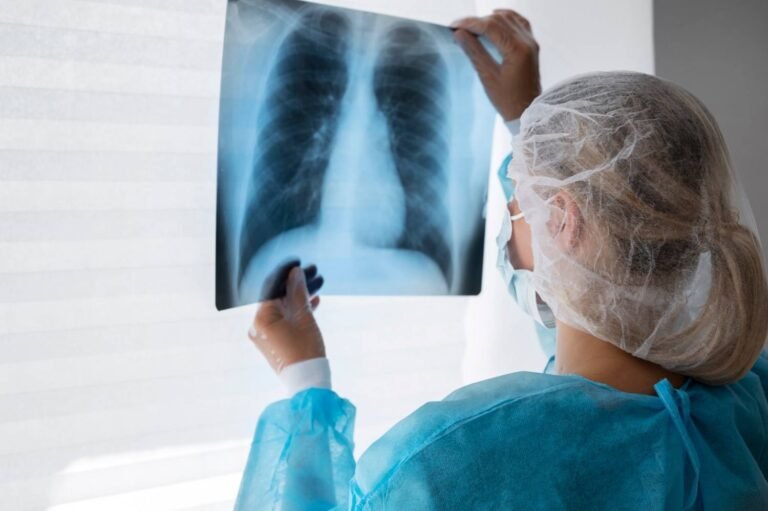
- Chest X-Ray: This helps identify certain lung abnormalities and infections.
- CT Scan: Detailed imaging may be recommended to examine lung structures.
- Bronchoscopy: A procedure used to examine the airways in selected cases.
- Sleep Study: This may help diagnose sleep-related breathing disorders.
- Blood Tests: These can help assess infections and other health concerns.
Not every patient needs all these investigations. The specialist recommends tests according to symptoms and medical history.
If you are looking for a Pulmonology Specialist in Gurgaon, consulting Dr. Bharat Gopal can help you understand your respiratory concerns and explore suitable evaluation options.
When Should You Consult a Pulmonology Specialist in Gurgaon?
Many respiratory symptoms can initially appear mild. However, persistent or recurring problems should receive medical attention.
Consider consulting a specialist if you experience:
- Cough lasting several weeks.
- Frequent wheezing or chest tightness.
- Breathlessness during routine activities.
- Repeated chest infections.
- Persistent mucus production.
- Breathing difficulties during sleep.
- Unexplained changes in exercise tolerance.
People with a history of smoking or existing respiratory conditions may also benefit from regular medical follow-ups.
Early evaluation can help identify the cause of symptoms and support timely treatment.
Conclusion
Lung health plays an important role in maintaining overall well-being. Healthy lungs support oxygen supply, physical activity, and the normal functioning of vital organs. However, pollution, smoking, infections, and occupational exposure can increase the risk of respiratory problems.
Recognising early warning signs and adopting healthy habits can help protect respiratory health. Regular medical evaluation is also important for people experiencing persistent coughing, wheezing, or breathlessness.
If you are experiencing respiratory concerns, consult Dr. Bharat Gopal, a Pulmonology Specialist in Gurgaon, for appropriate medical evaluation and treatment based on your condition.
Frequently Asked Questions (FAQs)
1. Why is lung health important for the body?
Lung health is important because the lungs supply oxygen to the bloodstream and remove carbon dioxide. Proper lung function supports the heart, brain, muscles, and other vital organs.
2. What are the early signs of lung problems?
Common signs include persistent coughing, wheezing, shortness of breath, chest tightness, and frequent respiratory infections.
3. Can air pollution affect lung health?
Yes. Exposure to polluted air can irritate the respiratory tract and worsen existing conditions such as asthma and COPD. Long-term exposure may also increase the risk of certain lung diseases.
4. Which tests are used to check lung function?
Doctors may recommend pulmonary function tests, chest X-rays, CT scans, or other investigations depending on the patient’s symptoms and medical history.
5. How can I improve my lung health naturally?
Avoid smoking, stay physically active, eat a balanced diet, reduce exposure to air pollution, and maintain good indoor air quality.
6. When should I visit a pulmonology specialist?
Consult a pulmonology specialist if you experience persistent cough, recurring chest infections, wheezing, or unexplained breathing difficulties. Seek urgent care for sudden or severe breathing problems.
For more details or to book an appointment, visit their official website: https://delhichestspecialist.com/.