Why Do You Need a Sleep Study? Signs You Should Consult a Polysomnography Specialist in Defence Colony?
Poor sleep can affect your energy, concentration and overall health. Frequent snoring, interrupted breathing, daytime sleepiness, and repeated night-time awakenings may indicate an underlying sleep disorder. Consulting a Polysomnography Specialist in Defence Colony can help identify these problems through a detailed sleep evaluation. Early diagnosis is important because untreated sleep disorders may affect heart health, breathing, and daily activities.
Dr. Bharat Gopal provides respiratory and chest-related medical care, including evaluation of sleep-related breathing concerns. Understanding when a sleep study is needed can help patients take the right steps towards better sleep and health.
For fast information, chat directly with us on WhatsApp.
What Is Polysomnography?
Polysomnography, commonly known as a sleep study, is a diagnostic test used to monitor different body functions during sleep.
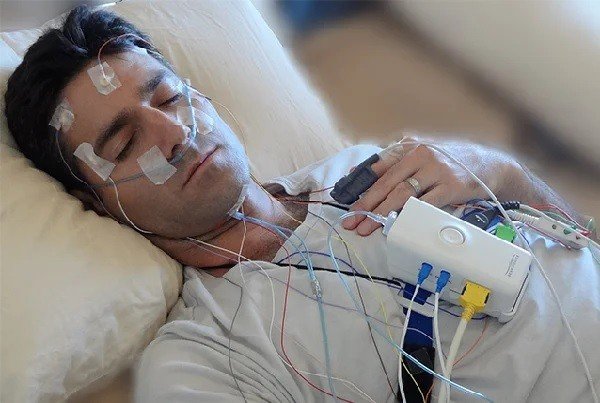
It records important measurements such as:
- Brain activity.
- Heart rate and rhythm.
- Breathing patterns.
- Blood oxygen levels.
- Eye movements.
- Muscle activity.
- Body movements during sleep.
These measurements help doctors understand sleep patterns and identify possible sleep-related disorders. A sleep study may be recommended when symptoms suggest abnormal breathing or repeated interruptions during sleep.
Why Might You Need a Sleep Study?
Sleep problems are not always caused by stress or an irregular routine. Sometimes, they are linked to medical conditions that require proper diagnosis.
A Polysomnography Specialist in Defence Colony may recommend a sleep study if you experience the following symptoms.
1. Loud and Frequent Snoring
Regular loud snoring can sometimes indicate an obstruction in the upper airway. Although not everyone who snores has a sleep disorder, persistent snoring should be evaluated when accompanied by other symptoms.
2. Pauses in Breathing During Sleep
If someone notices that your breathing stops briefly and starts again during sleep, it may indicate obstructive sleep apnoea.
This condition can interrupt normal sleep and reduce oxygen levels. A sleep study helps assess these breathing interruptions.
3. Excessive Daytime Sleepiness
Feeling tired despite spending enough time in bed may indicate poor sleep quality. Patients may experience difficulty concentrating, reduced productivity, and frequent daytime drowsiness.
A sleep study can help identify whether an underlying sleep disorder is responsible.
4. Frequent Night-Time Awakenings
Repeatedly waking up during the night can affect the normal sleep cycle. Breathing difficulties, unusual movements and other sleep-related problems may contribute to these interruptions.
5. Morning Headaches
Some people with sleep-related breathing disorders experience headaches after waking up. These may occur alongside dry mouth, fatigue and unrefreshing sleep.
Persistent morning headaches should be medically evaluated to identify their underlying cause.
Which Sleep Disorders Can Polysomnography Detect?
Polysomnography helps diagnose several sleep-related conditions. The findings allow doctors to understand the nature and severity of sleep disturbances.
Common conditions evaluated through a sleep study include:
Obstructive Sleep Apnoea: This occurs when the upper airway repeatedly becomes blocked during sleep, causing interruptions in breathing.
Central Sleep Apnoea: This condition occurs when the brain does not send proper signals to the muscles responsible for breathing.
Periodic Limb Movement Disorder: It involves repeated involuntary movements of the legs during sleep that may disturb normal sleep patterns.
Sleep-Related Breathing Disorders: These conditions affect normal breathing during sleep and may lead to repeated awakenings or reduced oxygen levels.
How Is a Polysomnography Sleep Study Performed?
A sleep study is generally conducted in a specialised sleep laboratory. The process is designed to monitor your body while you sleep naturally.
Here is what usually happens:
- Small sensors are attached to the scalp, face, chest and legs.
- These sensors record brain activity, breathing, heart rate and body movements.
- Oxygen levels are monitored throughout the night.
- The recorded information is reviewed by a trained medical professional.
- The findings help determine whether a sleep disorder is present.
The procedure is generally painless. Patients can sleep while the monitoring equipment records the required information.
When Should You Consult a Polysomnography Specialist in Defence Colony?
Occasional sleep disturbances may not indicate a serious problem. However, persistent symptoms deserve medical attention.
Consider consulting a Polysomnography Specialist in Defence Colony if you experience loud snoring, witnessed breathing pauses, excessive daytime sleepiness or frequent night-time awakenings.
People with high blood pressure, obesity, or certain heart and respiratory conditions may also need evaluation if they show symptoms of sleep-disordered breathing.
Dr. Bharat Gopal can help assess respiratory concerns and guide patients regarding appropriate investigations. A medical consultation helps determine whether polysomnography or another diagnostic test is necessary.
Why Is Early Diagnosis of Sleep Disorders Important?
Untreated sleep disorders can affect more than just your sleep quality. Conditions such as obstructive sleep apnoea may contribute to high blood pressure, cardiovascular problems, and daytime fatigue.
Early diagnosis helps identify the underlying issue and allows doctors to recommend suitable treatment.
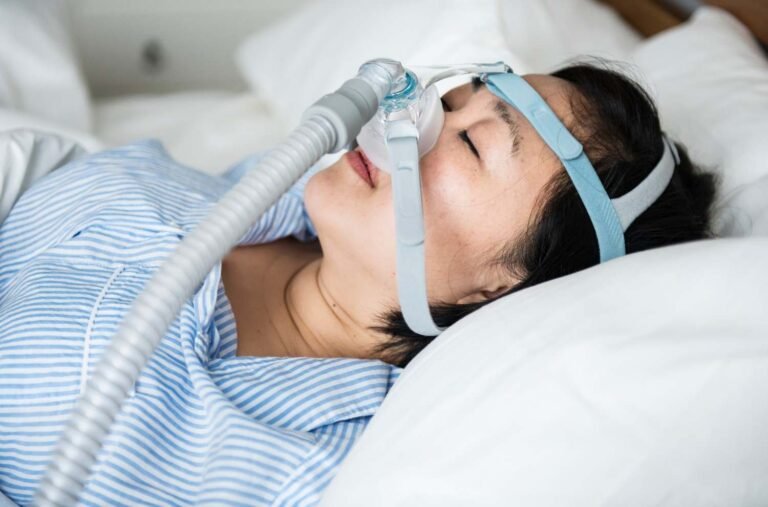
Depending on the diagnosis, treatment may include lifestyle modifications, continuous positive airway pressure (CPAP) therapy, oral appliances or other medical interventions.
The right approach depends on the type and severity of the sleep disorder.
Conclusion
Healthy sleep is essential for physical and mental well-being. Persistent snoring, breathing interruptions, morning headaches, and daytime fatigue may indicate an underlying sleep disorder.
Consulting a Polysomnography Specialist in Defence Colony can help identify sleep-related breathing problems through appropriate diagnostic evaluation. Dr. Bharat Gopal can guide patients with respiratory concerns towards suitable assessment and treatment options. Timely medical attention can help improve sleep quality and support long-term health.
Frequently Asked Questions
1. What is the main purpose of a polysomnography test?
A polysomnography test monitors brain activity, breathing, heart rate, oxygen levels, and body movements during sleep. It helps diagnose different sleep disorders.
2. Is a sleep study painful?
No. A sleep study is generally painless. Small sensors are attached to the body to record different functions while the patient sleeps.
3. How long does a polysomnography test take?
An overnight sleep study generally takes around 6–8 hours of monitoring, although the duration may vary depending on the testing requirements.
4. Can a sleep study detect sleep apnoea?
Yes. Polysomnography can detect obstructive and central sleep apnoea by monitoring breathing patterns, oxygen levels, and related body functions.
5. Who should consider getting a sleep study?
People experiencing loud snoring, breathing pauses during sleep, excessive daytime sleepiness or frequent night-time awakenings may benefit from medical evaluation.
6. Is sleep apnoea treatable?
Yes. Treatment options include CPAP therapy, lifestyle changes, oral appliances, and selected medical or surgical procedures, depending on the patient’s condition.
For more details or to book an appointment, visit their official website: https://delhichestspecialist.com/.