
Sleep Apnea Treatment in Gurugram: Symptoms, Diagnosis, and Treatment Options
Sleep Apnea Treatment in Gurugram can help people who experience loud snoring, interrupted breathing during sleep, or excessive daytime tiredness. Sleep apnea is a condition in which breathing repeatedly stops and starts during sleep. If left untreated, it can affect sleep quality, daily activities, and long-term health. Early diagnosis helps identify the type and severity of the condition so that suitable treatment can be recommended.
What Is Sleep Apnea?
Sleep apnea is a sleep-related breathing disorder. The most common type is obstructive sleep apnea (OSA), which occurs when the upper airway becomes partly or completely blocked during sleep. Central sleep apnea is less common and occurs when the brain does not send the appropriate signals to control breathing.
People with sleep apnea may wake briefly many times during the night without remembering it. As a result, they may feel tired even after spending enough hours in bed.
Common Symptoms of Sleep Apnea
Recognising the symptoms is an important step towards seeking Sleep Apnea Treatment in Gurugram. Common signs include:
- Loud, frequent snoring
- Pauses in breathing noticed by a partner
- Gasping or choking during sleep
- Waking up with a dry mouth or headache
- Excessive daytime sleepiness
- Difficulty concentrating or remembering tSleep Apnea Treatment in Gurugramhings
- Irritability or changes in mood
- Waking frequently during the night
Not everyone with sleep apnea snores loudly. If you regularly feel unrefreshed after sleeping or experience unexplained daytime fatigue, consult a qualified doctor for an assessment.
What Causes Sleep Apnea?
Obstructive sleep apnea develops when the muscles around the upper airway relax during sleep and restrict airflow. Several factors may increase the risk.
Excess body weight: Extra tissue around the neck can narrow the airway.
Airway structure: Enlarged tonsils, a narrow airway, or certain jaw and facial features may contribute to obstruction.
Age: The risk of obstructive sleep apnea generally increases with age.
Alcohol and sedatives: These substances can relax airway muscles and worsen breathing problems during sleep.
Family history: Genetic factors and inherited airway characteristics may increase susceptibility.
Sleep apnea can affect people of different body types and ages. A medical assessment is necessary to determine the likely cause.
How Is Sleep Apnea Diagnosed?
Before starting Sleep Apnea Treatment in Gurugram, a doctor evaluates symptoms, medical history, and risk factors. A physical examination may include checking the nose, mouth, throat, and neck.
The doctor may recommend a sleep study to confirm the diagnosis.
Polysomnography (Sleep Study)
Polysomnography is a detailed test that records breathing, oxygen levels, heart rate, and other body functions during sleep. It helps identify breathing interruptions and assess their severity.
Depending on the patient’s symptoms and medical history, a home sleep apnea test may be suitable. However, an in-lab sleep study may be necessary in certain cases. The doctor will recommend the appropriate test based on individual needs.
Sleep Apnea Treatment in Gurugram: Available Options
Treatment depends on the type of sleep apnea, its severity, and the patient’s overall health. Options may include the following.
1. CPAP Therapy
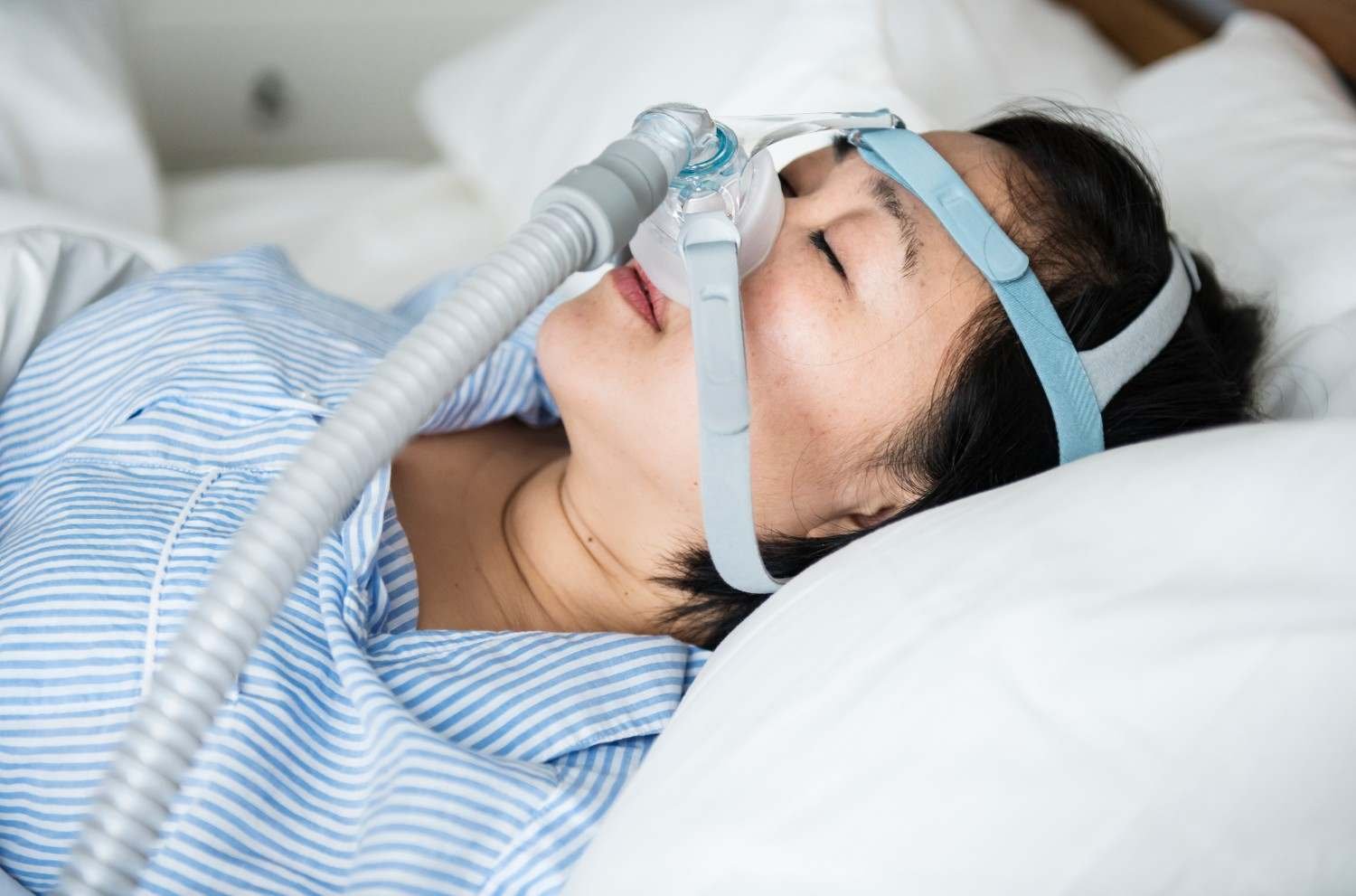
Continuous positive airway pressure (CPAP) therapy is a common treatment for obstructive sleep apnea. A machine delivers a steady flow of air through a mask to help keep the airway open during sleep. Regular use can improve sleep quality and reduce daytime sleepiness.
2. Lifestyle Changes
For some patients, lifestyle changes can support treatment. These may include weight management when appropriate, regular physical activity, limiting alcohol, and avoiding smoking. Sleeping on the side may also help some people with positional obstructive sleep apnea.
Lifestyle changes alone may not be enough for moderate or severe sleep apnea.
3. Oral Appliances
A dentist or qualified sleep specialist may recommend a custom oral appliance for selected patients. These devices reposition the lower jaw or tongue to help maintain an open airway during sleep.
4. Surgical Treatment
Surgery may be considered when specific anatomical problems contribute to airway obstruction or when other treatments are unsuitable or ineffective. The appropriate procedure depends on the cause and severity of the condition.
Why Early Sleep Apnea Treatment Matters
Untreated sleep apnea can contribute to poor concentration, daytime fatigue, and a higher risk of road or workplace accidents. It is also associated with high blood pressure and increased cardiovascular risk.
Seeking Sleep Apnea Treatment in Gurugram can help patients receive an accurate diagnosis and an appropriate management plan. Treatment may improve sleep quality, daytime alertness, and overall well-being.
When Should You Consult a Sleep Specialist?
Consider medical advice if you experience repeated pauses in breathing during sleep, persistent loud snoring with daytime sleepiness, or frequent choking or gasping at night. A sleep specialist can assess your symptoms and decide whether a sleep study is needed.
If you feel sleepy while driving, avoid driving until the problem has been assessed and adequately managed.
Conclusion
Sleep apnea is a treatable sleep-related breathing disorder, but it should not be ignored. Recognising the symptoms and obtaining an accurate diagnosis are essential steps towards better sleep and long-term health.
Sleep Apnea Treatment in Gurugram may involve CPAP therapy, lifestyle changes, oral appliances, or selected surgical procedures. The right approach depends on the diagnosis and each patient’s needs. Consult a qualified specialist to discuss your symptoms and determine the most suitable treatment plan.
Frequently Asked Questions (FAQs)
1. Can sleep apnea be treated?
Yes. Sleep apnea can often be managed effectively with treatments such as CPAP therapy, oral appliances, lifestyle changes, or selected surgical procedures.
2. Is a sleep study necessary to diagnose sleep apnea?
A sleep study is commonly used to confirm sleep apnea and assess its severity. The doctor will determine whether an in-lab study or a home sleep apnea test is appropriate.
3. Does loud snoring always mean sleep apnea?
No. Snoring can occur without sleep apnea. However, loud snoring accompanied by gasping, breathing pauses, or daytime sleepiness should be evaluated.
4. Is CPAP therapy required for every patient?
No. CPAP is a common treatment for obstructive sleep apnea, but other options may be suitable depending on the type and severity of the condition.
5. When should I seek Sleep Apnea Treatment in Gurugram?
Consult a doctor if you have repeated breathing pauses during sleep, persistent daytime sleepiness, or loud snoring with choking or gasping episodes. Early assessment helps guide appropriate care.
For more details or to book an appointment, visit their official website: https://delhichestspecialist.com/.