Therapeutic Thoracoscopy in Gurugram: Procedure, Benefits, and When It Is Recommended
Therapeutic Thoracoscopy in Gurugram is an important treatment option for selected conditions affecting the pleura, the thin membrane surrounding the lungs. This minimally invasive procedure allows a specialist to examine the pleural space and perform specific treatments through small openings in the chest. It may help manage recurrent fluid accumulation, certain pleural infections, and other chest conditions when appropriate.
Understanding the procedure, its benefits, and when it may be recommended can help patients make informed decisions about their respiratory health.
What Is Therapeutic Thoracoscopy?
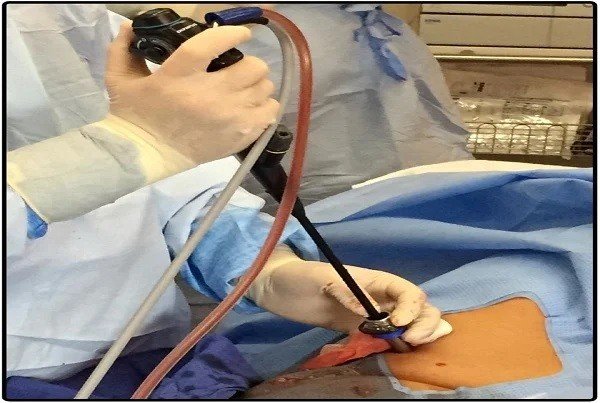
Therapeutic thoracoscopy is a procedure that uses a thin viewing instrument called a thoracoscope to access the space between the lungs and the chest wall. Depending on the patient’s condition, the specialist may drain fluid, obtain tissue samples, or perform treatment inside the pleural cavity.
Unlike open surgery, medical thoracoscopy generally involves smaller incisions and may be performed under local anaesthesia with sedation. More extensive video-assisted thoracoscopic surgery (VATS) is a different approach that may require general anaesthesia.
The most suitable technique depends on the diagnosis, the extent of the disease, and the patient’s overall health.
For fast information, chat directly with us on WhatsApp.
When Is Therapeutic Thoracoscopy in Gurugram Recommended?
A respiratory specialist may recommend Therapeutic Thoracoscopy in Gurugram when a pleural condition requires direct examination or treatment. Common indications include:
- Recurrent pleural effusion: Fluid repeatedly collects around the lungs and causes breathlessness or chest discomfort.
- Malignant pleural effusion: Fluid associated with cancer may require drainage and treatment to reduce the chances of recurrence.
- Selected pleural infections: Thoracoscopy may help manage certain complicated infections by opening fluid pockets or adhesions.
- Recurrent pneumothorax: In selected patients, a procedure to help prevent air from collecting around the lung again may be considered.
- Undiagnosed pleural conditions: When initial investigations do not establish a cause, thoracoscopy may allow the specialist to collect tissue samples for further testing.
Not every patient needs thoracoscopy. The specialist will assess imaging results, previous treatments, and individual risks before recommending the procedure.
How Is the Thoracoscopy Procedure Performed?
The exact steps vary according to the treatment required. However, the procedure usually follows several stages.
1. Pre-procedure assessment
The doctor reviews symptoms, medical history, imaging scans, blood tests, and current medications. Ultrasound may be used to identify a suitable entry point. Patients should inform the medical team about blood-thinning medicines, allergies, and existing health conditions.
2. Anaesthesia and small incision
For medical thoracoscopy, local anaesthesia and sedation may be used. After the area is prepared, the specialist makes a small incision in the chest wall and carefully inserts the thoracoscope into the pleural space.
3. Treatment inside the pleural space
The specialist examines the area and performs the planned intervention. This may include draining fluid, collecting pleural tissue samples, or performing pleurodesis, a treatment that helps the lung lining adhere to the chest wall to reduce recurrent fluid accumulation.
4. Monitoring and recovery
A chest drain may be placed after the procedure to remove remaining fluid or air. The healthcare team monitors breathing, oxygen levels, pain, and other signs of recovery before deciding when discharge is appropriate.
Benefits of Therapeutic Thoracoscopy
When clinically appropriate, Therapeutic Thoracoscopy in Gurugram may offer several benefits.
- Targeted treatment: The specialist can directly examine the pleural space and treat specific problems.
- Smaller incisions: Medical thoracoscopy generally avoids the larger incisions associated with open surgery.
- Fluid management: Drainage and selected additional treatments may relieve symptoms caused by pleural effusion.
- Tissue sampling: Biopsies can help establish a diagnosis when further investigation is needed.
- Reduced recurrence in selected cases: Pleurodesis may help prevent certain types of pleural fluid from returning.
The benefits vary from patient to patient. Thoracoscopy does not guarantee a cure, and some conditions may require medication, a chest tube, or surgery instead.
Risks and Recovery After Thoracoscopy
Like any invasive procedure, thoracoscopy carries potential risks. These may include pain, bleeding, infection, air leakage, or persistent fluid accumulation. The likelihood of complications depends on the patient’s health and the type of intervention performed.
After treatment, patients should follow the medical team’s instructions regarding wound care, medication, activity, and follow-up appointments. Recovery time varies depending on the underlying condition and whether a chest drain is required.
Seek urgent medical attention if you experience severe or worsening breathlessness, significant chest pain, high fever, or heavy bleeding after the procedure.
Choosing a Thoracoscopy Specialist in Gurugram
Choosing an experienced respiratory specialist is important when evaluating pleural disease. A consultation helps clarify the cause of symptoms, available treatment options, expected benefits, and potential risks.
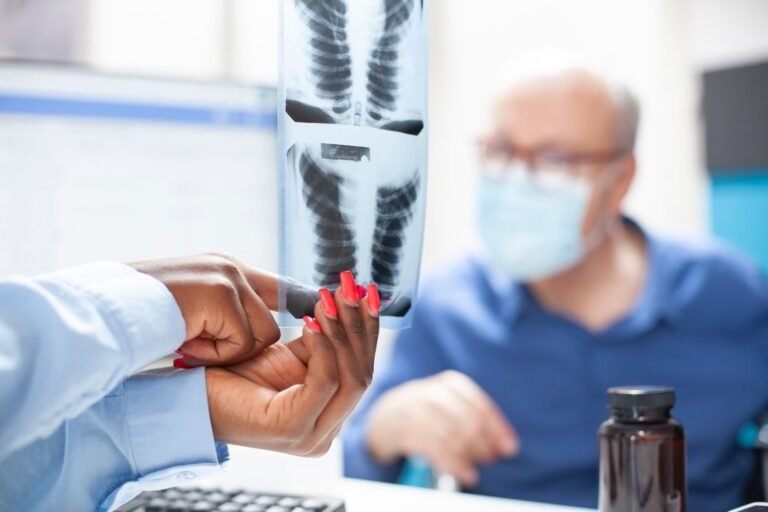
Patients considering Therapeutic Thoracoscopy in Gurugram should bring previous chest X-rays, CT scans, ultrasound reports, laboratory results, and details of earlier treatments. This information helps the specialist determine whether thoracoscopy is appropriate or whether another approach would be safer.
Conclusion
Therapeutic thoracoscopy can play a valuable role in managing selected pleural conditions, including recurrent fluid accumulation and certain infections. It may also help reduce recurrence in appropriately selected cases. However, the procedure must be tailored to the patient’s diagnosis and overall health.
If you are experiencing persistent breathlessness, recurrent pleural effusion, or another suspected pleural problem, consult a qualified respiratory specialist to discuss the available options. Early evaluation can help guide appropriate treatment and improve symptom management.
Frequently Asked Questions (FAQs)
1. What is therapeutic thoracoscopy used for?
It is used to treat selected conditions involving the pleural space, such as recurrent pleural effusion, certain pleural infections, and selected cases of recurrent pneumothorax.
2. Is therapeutic thoracoscopy a major surgery?
Medical thoracoscopy is generally less invasive than open chest surgery and may be performed under local anaesthesia with sedation. More extensive thoracoscopic surgery may require general anaesthesia.
3. How long does recovery take after thoracoscopy?
Recovery depends on the procedure performed, the underlying condition, and whether a chest drain is needed. Your specialist will provide an individual recovery plan.
4. Can thoracoscopy prevent pleural fluid from returning?
In selected patients, pleurodesis performed during thoracoscopy may reduce the chance of fluid returning. Its suitability depends on the cause of the effusion and the condition of the lung.
5. When should I consult a specialist for thoracoscopy?
Consult a respiratory specialist if you have recurrent pleural fluid, unexplained breathlessness, or a pleural condition that has not responded to initial treatment. The specialist can determine whether thoracoscopy is necessary.
For more details or to book an appointment, visit their official website: https://delhichestspecialist.com/.