Pleural Effusion Treatment in Gurugram: Causes, Symptoms, Diagnosis & Treatment Options
Pleural Effusion Treatment in Gurugram focuses on identifying the cause of fluid buildup around the lungs and selecting suitable treatment. Pleural effusion occurs when excess fluid collects in the space between the lungs and the chest wall. It may cause breathlessness, chest discomfort, and a persistent cough. Consulting Dr. Bharat Gopal for a chest-related evaluation can help patients understand their condition and the available treatment options.
What Is Pleural Effusion?
Pleural effusion is a medical condition in which fluid accumulates in the pleural space surrounding the lungs. Normally, a small amount of fluid allows the lungs to move smoothly during breathing. However, excess fluid can restrict lung expansion and cause discomfort.
The severity of the condition depends on the amount of fluid and its underlying cause. Early assessment is an important step in planning Pleural Effusion Treatment in Gurugram and reducing the risk of complications.
For fast information, chat directly with us on WhatsApp.
Common Causes of Pleural Effusion
Several medical conditions can lead to fluid accumulation around the lungs. Identifying the cause helps doctors recommend appropriate treatment.
Common causes include:
- Heart failure: Fluid retention may lead to fluid accumulation around the lungs.
- Respiratory infections: Pneumonia and other infections can cause inflammation and pleural fluid buildup.
- Tuberculosis: This infection may affect the pleura and cause fluid accumulation.
- Liver or kidney disease: These conditions can contribute to excess fluid in the body.
- Cancer: Certain cancers can affect the pleural lining and cause recurrent fluid buildup.
- Pulmonary embolism: A blood clot in the lungs can sometimes contribute to pleural effusion.
A detailed medical evaluation helps determine which condition may be responsible.
Symptoms of Pleural Effusion
Symptoms vary depending on the amount of fluid and the underlying disease. Some people may not experience noticeable symptoms when the fluid collection is small.
Common symptoms include:
- Shortness of breath, especially during activity
- Chest pain that worsens with deep breathing
- Persistent dry cough
- Chest heaviness or discomfort
- Difficulty taking a deep breath
- Fever or chills when an infection is present
If these symptoms persist, consulting a Pleural Effusion Doctor in Gurugram can help determine whether further investigation is necessary. Sudden severe breathlessness or intense chest pain requires urgent medical attention.
How Is Pleural Effusion Diagnosed?
Accurate diagnosis is essential for effective treatment. Dr. Bharat Gopal can assess the patient’s symptoms and medical history to help determine which investigations may be appropriate.
Diagnostic tests may include:
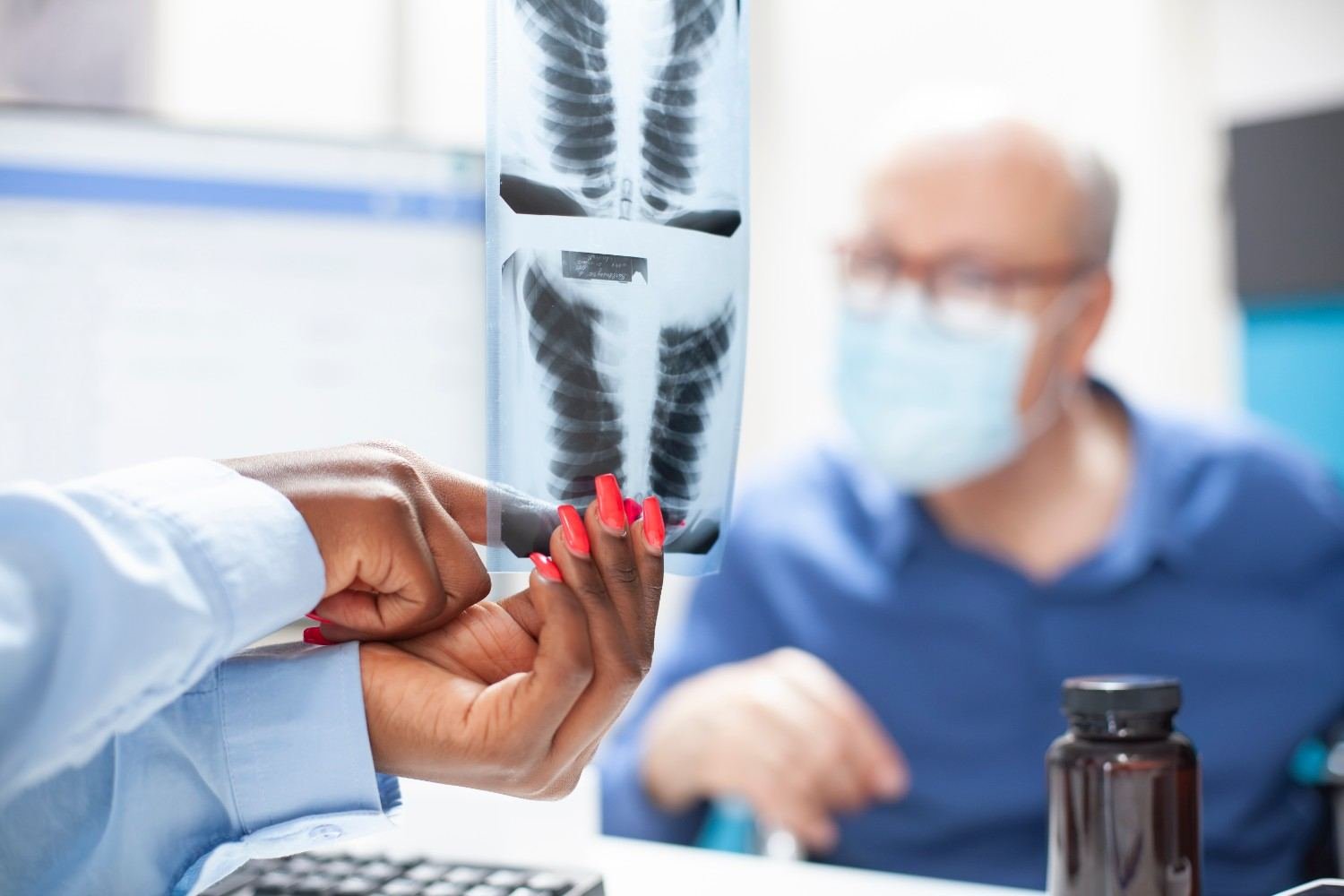
Chest X-ray: Helps identify fluid accumulation around the lungs.
Chest ultrasound: Detects pleural fluid and can guide fluid drainage.
CT scan: Provides detailed images of the chest and may help identify the underlying cause.
Pleural fluid analysis: A fluid sample may be tested for infection, inflammation, or other abnormalities.
Thoracentesis: This procedure removes fluid using a needle or catheter for testing or symptom relief.
Not every patient requires all these tests. The diagnostic plan depends on the clinical findings.
Pleural Effusion Treatment in Gurugram: Available Options
Treatment depends on the cause, fluid volume, symptoms, and overall health of the patient. Pleural Effusion Treatment in Gurugram may involve medication, drainage procedures, or specialised interventions.
1. Medication and Treatment of the Underlying Cause
Treatment may include medicines for the underlying condition. Antibiotics may be prescribed for bacterial infections, while fluid retention related to heart failure may require specific medical management. Treatment for tuberculosis and other diseases follows an appropriate clinical plan.
2. Pleural Tapping
Pleural tapping, also called thoracentesis, involves removing fluid from the pleural space. It may help relieve breathing discomfort and provide a sample for laboratory testing.
3. Chest Drainage
A chest tube may be required when infected fluid, pus, or a significant fluid collection needs continuous drainage. The need and duration depend on the patient’s condition.
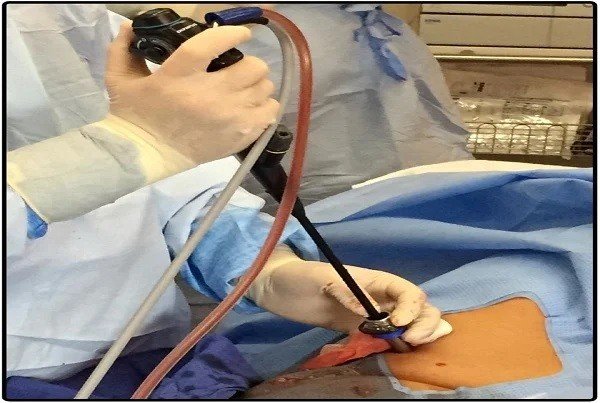
4. Pleurodesis and Thoracoscopy
Pleurodesis may help prevent fluid from returning in selected cases. Thoracoscopy allows a specialist to examine the pleural space and obtain tissue samples when necessary. These procedures are recommended only when clinically appropriate.
A Pleural Effusion Doctor in Gurugram can evaluate the condition and discuss which treatment options may be suitable for an individual patient.
Why Is Timely Treatment Important?
Untreated pleural effusion can affect breathing and may indicate an underlying condition that requires medical attention. Early diagnosis helps guide treatment, manage symptoms, and monitor recovery.
Patients should avoid self-medication and seek professional advice if respiratory symptoms persist or worsen.
Conclusion
Pleural effusion can develop due to infections, heart problems, and other medical conditions. Early diagnosis and appropriate management are essential for better respiratory health. Pleural Effusion Treatment in Gurugram may include medication, pleural tapping, chest drainage, or specialised procedures depending on the diagnosis. Consulting Dr. Bharat Gopal can help patients understand the condition and discuss an appropriate treatment plan.
Frequently Asked Questions (FAQs)
1. Is pleural effusion a serious condition?
It can be serious depending on the amount of fluid and its underlying cause. Medical evaluation helps determine the appropriate treatment.
2. When should I consult a Pleural Effusion Doctor in Gurugram?
Seek medical advice for persistent breathlessness, chest discomfort, or an unexplained cough. Severe or sudden breathing difficulty requires emergency care.
3. Can pleural effusion be treated without surgery?
Yes. Some cases respond to treatment of the underlying condition. Others may require fluid drainage or a specialised procedure.
4. Can pleural effusion return after treatment?
Yes. Fluid may return if the underlying cause persists. Follow-up care helps monitor recurrence.
5. How is fluid removed from around the lungs?
Thoracentesis can remove fluid using a needle or catheter. A chest tube may be needed in certain cases.
For more details or to book an appointment, visit their official website: https://delhichestspecialist.com/.