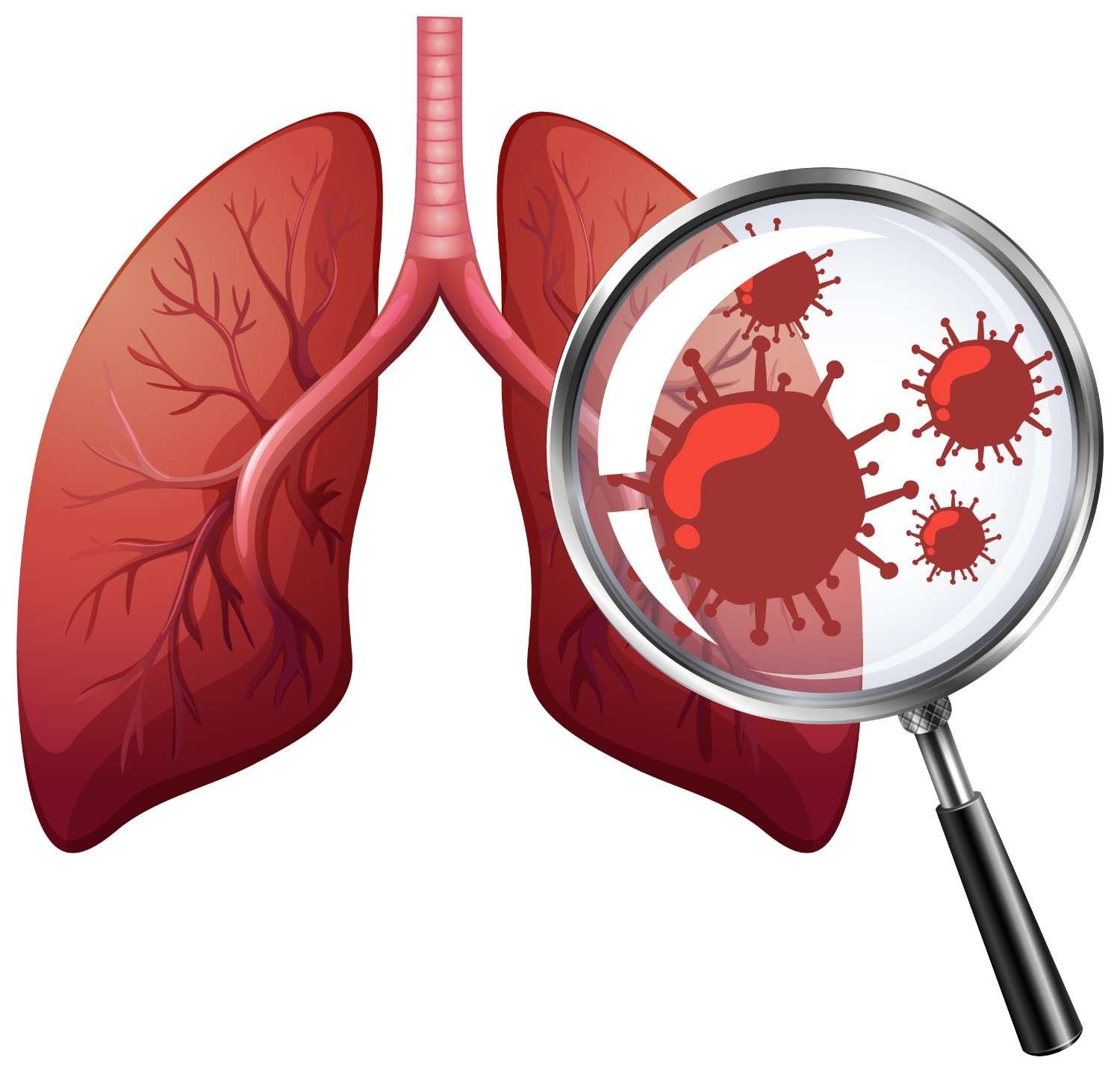
Lung Cancer Treatment in Gurgaon: Diagnosis, Treatment Options, and What to Expect
Lung cancer can affect people differently, so timely diagnosis and an individualized treatment plan are important. Lung Cancer Treatment in Gurgaon may involve surgery, chemotherapy, radiation therapy, targeted therapy, immunotherapy, or a combination of treatments. Consulting an experienced Lung Cancer Specialist in Gurgaon can help patients understand their diagnosis, treatment choices, and the next steps in their care.
Understanding Lung Cancer
Lung cancer develops when abnormal cells in the lungs grow uncontrollably. The two major types are non-small cell lung cancer (NSCLC) and small cell lung cancer (SCLC). NSCLC is the more common type, while SCLC can behave more aggressively.
Smoking is a major risk factor, but lung cancer can also occur in people who have never smoked. Exposure to certain workplace substances, air pollution, and other factors may also contribute to risk.
Symptoms can include a persistent cough, coughing up blood, chest discomfort, breathlessness, unexplained weight loss, and repeated respiratory infections. However, these symptoms can also occur with other conditions. Persistent or concerning symptoms should be medically evaluated.
For fast information, chat directly with us on WhatsApp.
Lung Cancer Diagnosis in Gurgaon
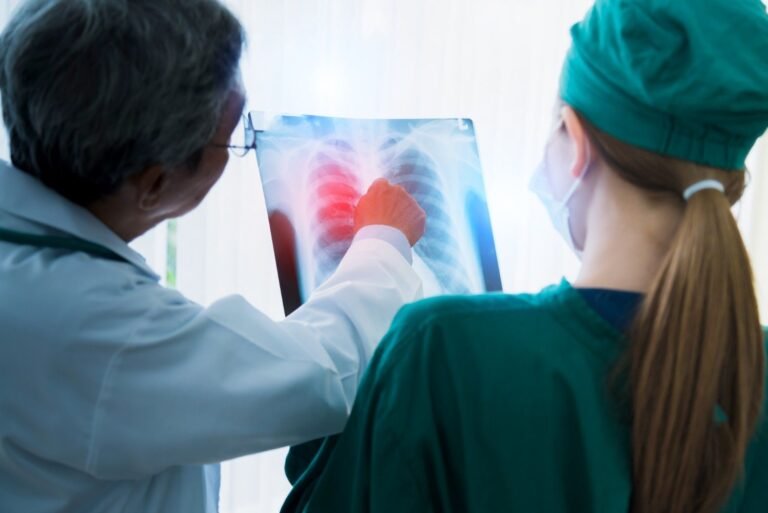
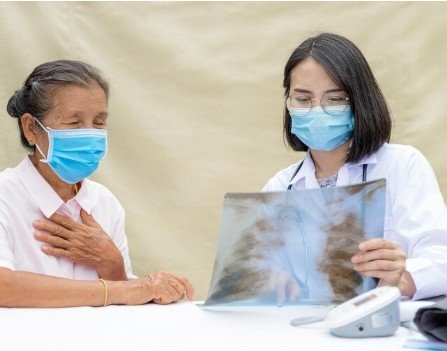
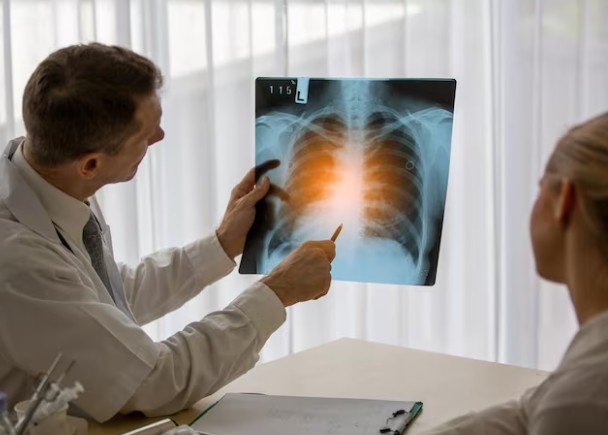
Accurate diagnosis is the first step toward choosing appropriate treatment. A doctor may recommend imaging tests, such as a chest CT scan, followed by further investigations when necessary.
A biopsy may be performed to confirm whether abnormal tissue is cancerous and to identify its type. Additional tests can help determine the stage of the cancer and whether it has spread to lymph nodes or other organs. Staging is important because treatment decisions depend on factors such as tumor size, location, lymph-node involvement, and spread.
For some patients with non-small cell lung cancer, molecular and biomarker testing may also help identify treatment options such as targeted therapy or immunotherapy.
Lung Cancer Treatment in Gurgaon
The right treatment depends on the type and stage of cancer, overall health, lung function, and other individual factors. A treatment plan may involve one therapy or a combination of approaches.
Surgery for Lung Cancer
Surgery may be recommended when the tumor can be safely removed, particularly in selected patients with early-stage NSCLC. Depending on the location and size of the tumor, procedures may include removal of part of a lung or an entire lobe.
Before surgery, the medical team evaluates lung function and overall health to determine whether surgery is appropriate.
Chemotherapy and Radiation Therapy
Chemotherapy uses medicines to destroy or slow the growth of cancer cells. It may be used before surgery, after surgery, together with radiation, or as part of treatment for advanced disease.
Radiation therapy uses high-energy radiation to target cancer cells. It may be used as a primary treatment in selected patients, combined with chemotherapy, after surgery, or to relieve symptoms in advanced cancer.
Targeted Therapy and Immunotherapy
Targeted therapy is designed to act on specific molecular changes found in some lung cancers. It may be particularly useful when testing identifies an actionable genetic alteration.
Immunotherapy works by helping the immune system recognize and fight cancer cells. It is an important treatment option for selected patients with earlier-stage and advanced lung cancer.
Lung Cancer Specialist in Gurgaon
Choosing an experienced Lung Cancer Specialist in Gurgaon is important for accurate diagnosis, proper staging, and personalized treatment planning. A specialist can evaluate your symptoms, diagnostic reports, lung function, and overall health to determine the most appropriate treatment approach.
Depending on the condition, treatment may involve surgery, chemotherapy, radiation therapy, targeted therapy, immunotherapy, or a combination of treatments. Timely consultation with a Lung Cancer Specialist in Gurgaon can help patients understand their treatment options and make informed decisions about their care.
What to Expect During Lung Cancer Treatment
Treatment experiences vary from one patient to another. Before starting therapy, your doctor may discuss the treatment goal, expected duration, possible side effects, follow-up requirements, and other available options.
Patients may experience fatigue, changes in appetite, nausea, breathing difficulties, or other treatment-related effects depending on the therapy used. Regular follow-up helps the medical team monitor response to treatment and manage side effects.
For advanced lung cancer, treatment may focus on controlling the disease, reducing symptoms, maintaining quality of life, and extending survival. The treatment plan can change according to how the cancer responds.
Why Choose an Experienced Lung Cancer Specialist in Gurgaon?
Lung cancer care requires careful evaluation because no single treatment is suitable for every patient. An experienced Lung Cancer Specialist in Gurgaon can assess the diagnosis, stage, lung function, and overall health before recommending an appropriate treatment approach.
Early evaluation can also help avoid unnecessary delays. If you have persistent respiratory symptoms or have recently received an abnormal scan or biopsy result, seeking specialist guidance can help you understand your condition and treatment options.
Conclusion
Lung Cancer Treatment in Gurgaon involves a personalized approach based on the cancer type, stage, molecular characteristics, and the patient’s overall health. Treatment may include surgery, chemotherapy, radiation therapy, targeted therapy, immunotherapy, or a combination of these options. Timely diagnosis and specialist consultation can help patients make informed decisions and receive appropriate care.
Frequently Asked Questions
1. What are the common treatment options for lung cancer?
Treatment may include surgery, chemotherapy, radiation therapy, targeted therapy, immunotherapy, or combinations of these treatments, depending on the cancer type and stage.
2. How is lung cancer diagnosed?
Diagnosis may involve imaging tests, biopsy, laboratory investigations, and additional tests to determine the cancer type and stage.
3. Is surgery always required for lung cancer?
No. Surgery is appropriate only for selected patients. The decision depends on factors such as cancer stage, tumor location, lung function, and overall health.
4. When should I consult a lung cancer specialist?
You should consider specialist evaluation if you have persistent symptoms, an abnormal chest scan, a suspicious lung nodule, or a confirmed diagnosis of lung cancer.
For more details or to book an appointment, visit their official website: https://delhichestspecialist.com/.