Pleural Tapping in Gurugram: Procedure, Benefits & Recovery
Pleural Tapping in Gurugram is a commonly performed procedure used to remove excess fluid from the space around the lungs. This fluid buildup, known as pleural effusion, may cause breathlessness, chest discomfort, or difficulty taking deep breaths. A Pleural Tapping Specialist in Gurugram can assess the cause of fluid accumulation and determine whether pleural tapping is appropriate for diagnosis or symptom relief.
What Is Pleural Tapping?
Pleural tapping, also called thoracentesis, involves using a thin needle or catheter to remove fluid from the pleural space. The procedure can help relieve breathing difficulties and may also provide a fluid sample for laboratory testing.
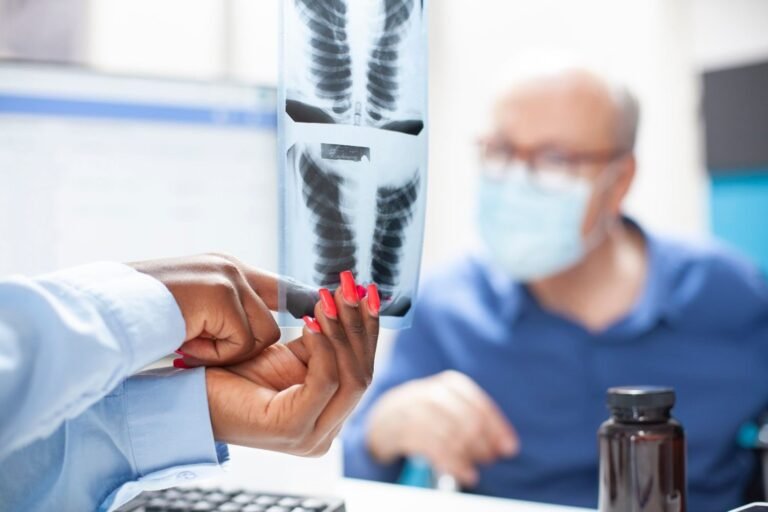
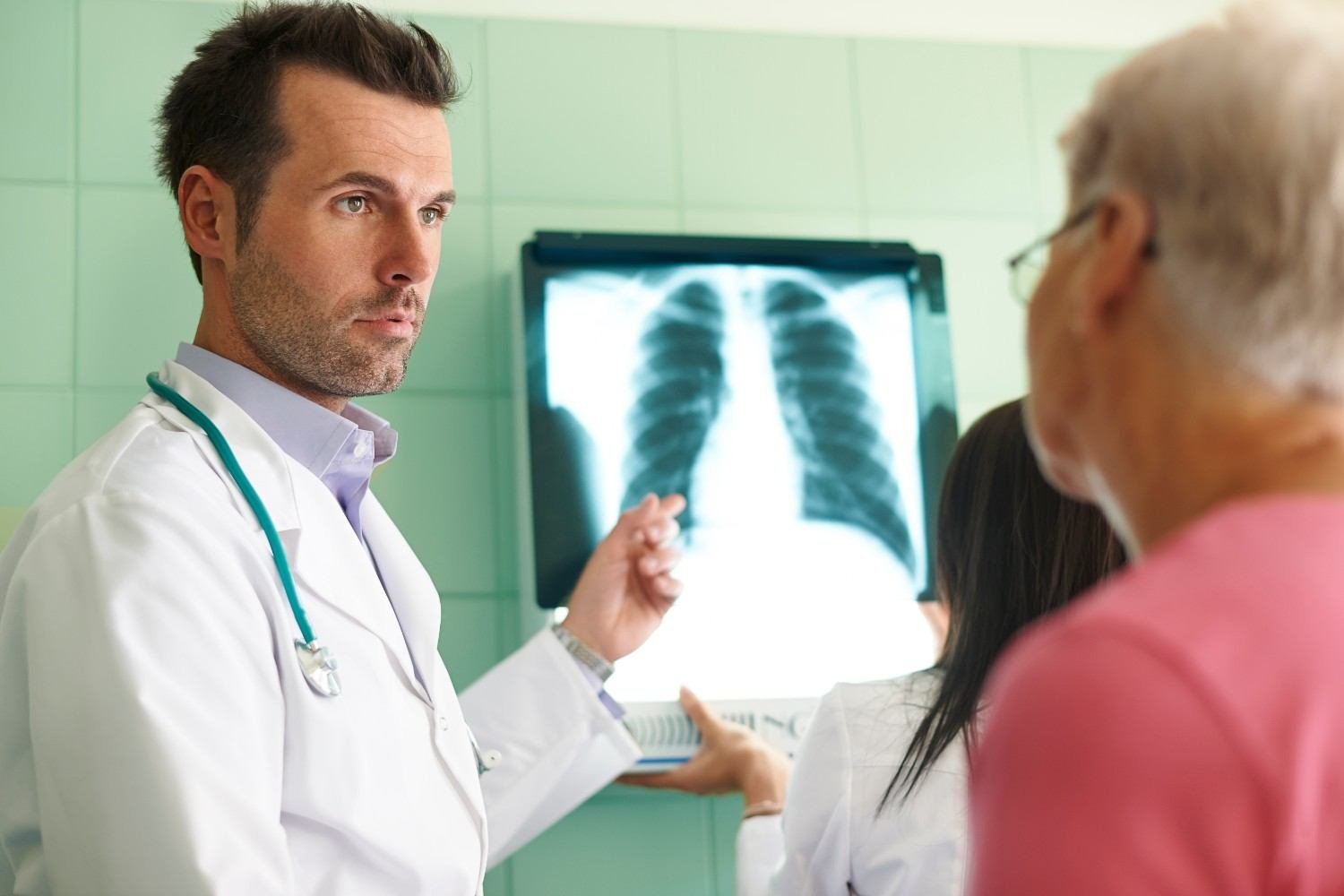
The need for Pleural Tapping in Gurugram depends on the amount of fluid, symptoms, underlying condition, and findings from imaging tests. Chest X-ray, ultrasound, or CT scans may help doctors evaluate pleural effusion before treatment.
When Is Pleural Tapping Recommended?
A doctor may recommend pleural tapping when excess pleural fluid is causing significant symptoms or when the cause of the effusion needs further investigation.
Common reasons may include:
- Unexplained pleural effusion
- Significant breathlessness
- Chest discomfort associated with fluid buildup
- Suspected infection
- Fluid related to certain heart, lung, or other medical conditions
- Need for pleural fluid analysis
A Pleural Tapping Specialist in Gurugram carefully evaluates the patient’s medical history, symptoms, imaging results, and overall health before recommending the procedure.
For fast information, chat directly with us on WhatsApp.
How Is Pleural Tapping Performed?
Before Pleural Tapping in Gurugram, the doctor usually reviews relevant scans and determines the safest location for fluid removal. Ultrasound guidance may be used when appropriate to identify the fluid and guide the procedure.
The skin is cleaned, and local anaesthesia is generally used to numb the area. A needle or catheter is then carefully introduced into the pleural space to withdraw fluid. The collected fluid may be sent for laboratory analysis when diagnostic testing is required.
The procedure is performed with careful monitoring to reduce potential complications and ensure patient safety.
Benefits of Pleural Tapping
One of the main benefits of Pleural Tapping in Gurugram is that removing excess fluid can help relieve pressure around the lung. This may improve breathing and reduce discomfort in suitable patients.
Pleural tapping can also provide valuable diagnostic information. Analysis of the removed fluid may help doctors identify infection, inflammation, malignancy, or other causes of pleural effusion.
A Pleural Tapping Specialist in Gurugram can also determine whether additional treatment is required after the fluid has been removed.
What to Expect After Pleural Tapping
After Pleural Tapping in Gurugram, patients are generally monitored for a period to check their breathing, oxygen level, and overall condition. Mild soreness around the procedure site may occur.
Recovery depends on the underlying cause of the pleural effusion and the patient’s general health. Some people may need to take it easy for a short period after thoracentesis.
It is important to follow the doctor’s instructions regarding medicines, activity, follow-up appointments, and further investigations.
Possible Risks and Precautions
Like any medical procedure, Pleural Tapping in Gurugram may have some risks. These can include bleeding, infection, or pneumothorax, which means air enters the pleural space and may cause the lung to partially collapse.
Choosing an experienced Pleural Tapping Specialist in Gurugram and having the procedure performed after appropriate clinical assessment can help support safe and effective care.
Patients should promptly inform their doctor if they develop worsening breathlessness, significant chest pain, fever, bleeding, or other concerning symptoms after the procedure.
Choosing a Pleural Tapping Specialist in Gurugram
When considering Pleural Tapping in Gurugram, patients should look for a doctor experienced in evaluating pleural diseases and managing respiratory conditions. The right specialist should assess the underlying cause rather than focusing only on fluid removal.
A Pleural Tapping Specialist in Gurugram can review imaging findings, determine whether drainage is required, explain the procedure, and recommend appropriate follow-up care based on the patient’s condition.
Why Timely Evaluation Matters
Pleural effusion can develop for different reasons, so identifying the underlying cause is an important part of treatment. In some cases, drainage may provide symptom relief, while additional medicines or procedures may be necessary to manage the condition responsible for fluid buildup.
Consulting a Pleural Tapping Specialist in Gurugram can help patients understand their diagnosis and choose an appropriate treatment approach.
Conclusion
Pleural Tapping in Gurugram can help remove excess fluid around the lungs, relieve respiratory symptoms, and provide important information about the cause of pleural effusion. The procedure should be recommended after a proper medical evaluation and performed with appropriate precautions.
If you have been diagnosed with pleural effusion or are experiencing unexplained breathlessness, consult a qualified Pleural Tapping Specialist in Gurugram for an evaluation and personalised treatment plan.
Frequently Asked Questions
1. What is pleural tapping used for?
Pleural tapping is used to remove excess fluid from around the lungs. The fluid may also be tested to help determine the underlying cause of pleural effusion.
2. Is pleural tapping painful?
Local anaesthesia is generally used to numb the area. Patients may experience some pressure or mild discomfort during or after the procedure.
3. How long does recovery take after pleural tapping?
Recovery varies depending on the patient’s condition and the cause of the pleural effusion. Your doctor will provide specific post-procedure instructions.
4. Can pleural effusion come back after tapping?
Yes. Pleural effusion can recur if the underlying condition continues to cause fluid accumulation. Further treatment may therefore be required.
5. When should I consult a Pleural Tapping Specialist in Gurugram?
You should seek medical evaluation if you have been diagnosed with pleural effusion, persistent breathlessness, chest discomfort, or unexplained fluid around the lungs.
For more details or to book an appointment, visit their official website: https://delhichestspecialist.com/.